
How much does a commercial lease cost UK businesses? The honest answer is that no single figure exists. This senior solicitor's guide breaks down the rent, legal fees, SDLT, business rates, service charges and hidden costs, so you can work out what a property will really cost before you sign.
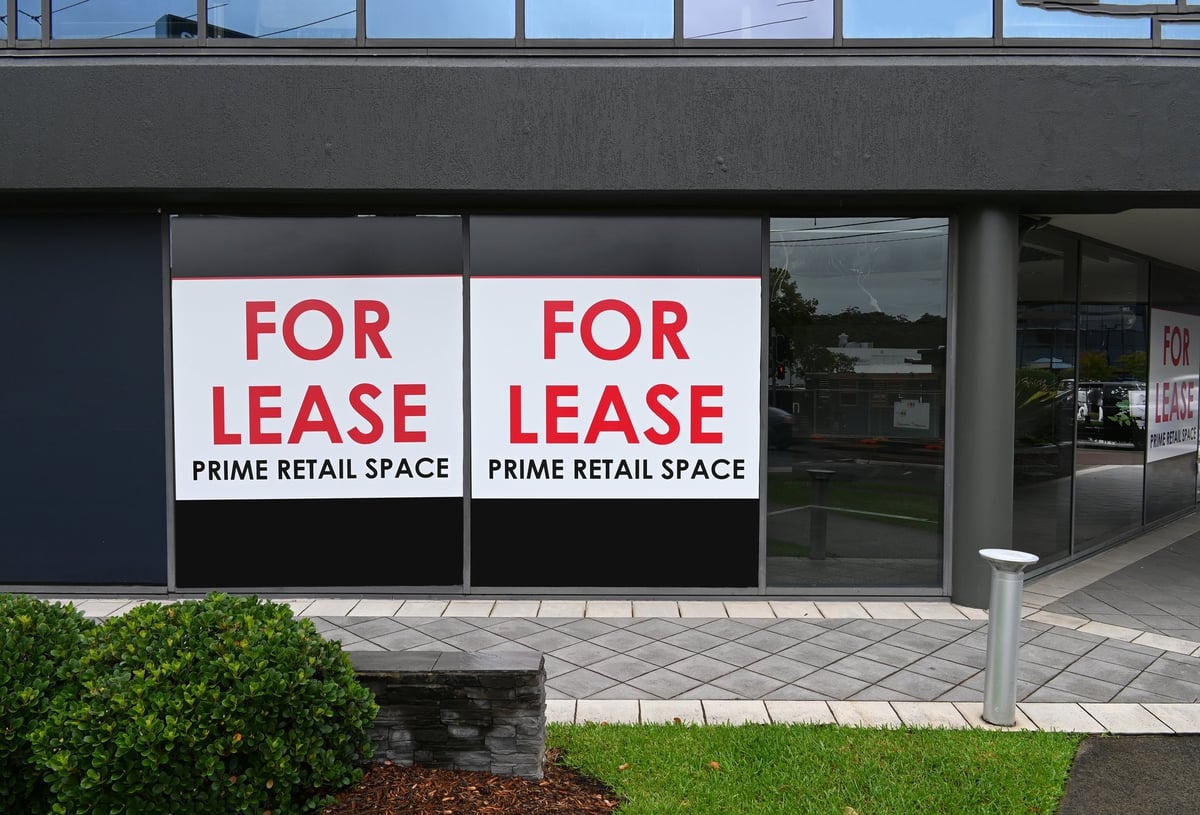
The total cost of a UK commercial lease can include the annual rent plus business rates, service charges, insurance, repairs, utilities and VAT where applicable. Upfront expenditure can include a deposit, legal and surveyor fees, SDLT and fit-out costs. At lease end, reinstatement and dilapidations can create further liabilities.
A commercial property advertised at £30,000 per year does not necessarily cost your business only £30,000 per year. That is one of the most important things for a first-time commercial tenant to understand. A shop on your local high street, a serviced office in a city centre and a distribution warehouse in the Midlands operate in completely different rental markets, and each carries a different set of occupation costs.
Before you sign anything, it pays to build three separate budgets:
The cost to enter + the cost to occupy + the cost to leave.
We see the same mistake again and again. A business falls in love with premises, budgets only for the rent, and then discovers rates, service charges and repair obligations that change the numbers entirely. This guide is written to help you avoid that outcome.
If you are at the very start of the process, our first commercial lease checklist sets out 30 things to check before you sign.
How much a commercial lease costs UK businesses depends primarily on the property's location, size, type and lease terms. There is no reliable national average commercial lease cost that applies to every property. A small regional office, a central London shop and a distribution warehouse all sit in very different rental markets.
Commercial rents are frequently quoted annually, and sometimes by reference to floor area. A simple example shows how the headline figure is built:
5,000 sq ft × £20 per sq ft
= £100,000 annual rent
But the quoted rent should be treated as the starting point, not the finish line. A more realistic calculation looks like this:
Base rent + rates + service charge + insurance + repairs + utilities + tax implications + professional costs
The RICS Code for Leasing Business Premises recommends comprehensive Heads of Terms precisely so that both parties understand the important financial commitments before entering a business lease. In our view, that step is where the most expensive mistakes are made and where they can most easily be avoided. You can read more about the process in our guide to advising on Heads of Terms.

The rent on the sign is only the beginning of the total cost of a commercial lease.
Before taking occupation, a commercial tenant may need to fund substantially more than the first rent payment. Common upfront costs include a rent deposit, solicitor's fees, surveyor's fees, property searches, SDLT where applicable, fit-out expenditure and initial insurance or service charge payments. The exact requirements depend on the transaction.
| Cost | What to Budget For |
|---|---|
| Rent deposit | Often negotiated with the landlord |
| Solicitor | Reviewing and negotiating the lease documents |
| Surveyor | Condition and property advice |
| Searches | Depending on the transaction and advice |
| SDLT | If applicable |
| Fit-out | Making the premises operational |
| IT and security | Business-specific installation |
| Furniture and equipment | Depends on the business |
| Initial rent | According to the lease |
| Service charge | May be payable on account |
| Insurance rent | If the landlord recharges the premium |
The figures vary too widely to give a meaningful universal price. A straightforward lease of a small office will not have the same professional or fit-out costs as a complex lease of a large industrial property. If you are not sure whether you need legal advice at all, our article on whether you need a solicitor for a commercial lease explains the risks of going it alone.
There is no fixed statutory amount for a commercial lease rent deposit. The landlord and tenant negotiate it based on the tenant's financial strength, trading history, lease obligations and the overall transaction. The deposit is normally governed by a separate rent deposit deed setting out when money can be used and returned.
A new company with little trading history may face a different deposit request from a long-established business with strong accounts. Before agreeing the deposit, check:
Commercial lease solicitor fees vary according to the complexity and value of the transaction, the lease length, the negotiations required, title issues and any additional documents involved. Rather than choosing solely on the cheapest quotation, tenants should establish exactly what the fee includes and whether searches, SDLT work and ancillary documents are charged separately.
A transaction might involve more than the lease itself. Your solicitor may need to deal with:
Always ask for a clear written fee estimate at the outset. You can see how our pricing works on our commercial lease legal fees page.
SDLT can be payable when a tenant takes a commercial lease in England or Northern Ireland. For rent, the calculation is based on the net present value, or NPV, of rent over the lease term. A separate calculation can apply where the tenant also pays a premium for the lease.
For non-residential lease rent, the current NPV bands are:
| NPV of Rent | SDLT Rate |
|---|---|
| Up to £150,000 | 0% |
| £150,001 to £5 million | 1% |
| Above £5 million | 2% |
The percentage applies to the relevant slice rather than necessarily to the whole NPV. HMRC confirms that where the NPV of rent exceeds £150,000, SDLT becomes payable on the amount falling within the chargeable bands. A lease premium can create an additional SDLT calculation.
Important: SDLT rules differ in Scotland and Wales. Land Transaction Tax applies in Wales rather than SDLT. Our team advises on the position in England and Wales, so please check the correct jurisdiction for your property.
You can read HMRC's official Stamp Duty Land Tax: leasehold purchases guidance for the detail. We also explain the mechanics in our article on commercial lease agreements.
To work out the likely Stamp Duty figure for a specific commercial lease, use our free commercial lease Stamp Duty calculator (England), which estimates Stamp Duty on both any lease premium and the net present value of rent using current HMRC non-residential rates.
Business rates in England are not calculated as a fixed percentage of commercial rent. Broadly, the bill starts with the property's rateable value and the applicable business rates multiplier, before relevant reliefs and adjustments are considered. Different rules apply in Wales, so businesses should always check the correct jurisdiction.
For England in 2026/27, the main multipliers include:
| Category | 2026/27 Multiplier |
|---|---|
| Small business non-RHL | 43.2p |
| Standard non-RHL | 48.0p |
| Small retail, hospitality and leisure | 38.2p |
| Standard retail, hospitality and leisure | 43.0p |
| High-value properties | 50.8p |
The applicable category depends on matters including the rateable value and the property use. Small Business Rate Relief can also reduce the bill. In England, qualifying businesses occupying one property with a rateable value of £12,000 or below can receive 100% relief, with tapered relief between £12,001 and £15,000.
Do not estimate business rates by simply taking 30%, 40% or 50% of the rent. That approach is unreliable and can make a property look cheaper than it really is.
You can check the position for your own property using the official GOV.UK business rates estimator.
A commercial service charge is the tenant's contribution towards specified costs incurred by the landlord in operating, maintaining or repairing shared parts and services. It is particularly common in office buildings, shopping centres, industrial estates and other multi-let properties, and the amount can vary considerably between buildings.
Service charges may cover:
The lease determines what can be recovered. The RICS professional statement on Service Charges in Commercial Property, current edition effective from 31 December 2025, promotes fairness, consistency and transparency in commercial service charge management. Before signing, ask for the current budget, previous accounts, planned major works and the apportionment percentage. Our guide to commercial lease service charge negotiations explains the points worth pushing back on.
The landlord commonly arranges buildings insurance and recovers the appropriate premium from the tenant as insurance rent. In multi-let properties, the premium is generally apportioned between tenants. The lease should identify what insurance costs can be recovered and what separate insurance the tenant needs for its own business.
Insurance rent is another reason why advertised rent should not be mistaken for total occupancy cost. The tenant may separately require insurance for:
Our senior solicitor's guide to how landlord buildings insurance works in a commercial lease covers insurance rent, rent suspension and claims in more detail.
Repairing liability can range from routine maintenance to substantial structural expenditure, depending on the property and the lease. A tenant accepting a full repairing and insuring lease should understand the condition of the premises before signing, because existing defects can potentially create expensive obligations during or at the end of the tenancy.
This is where a cheap property can turn out to be expensive. Imagine two warehouses:
Warehouse A
£45,000 annual rent, modern roof, good condition
Warehouse B
£38,000 annual rent, ageing roof, defective drainage and deteriorated external surfaces
Warehouse B appears £7,000 cheaper. But if its lease transfers significant repair liability to the tenant, the apparent saving could disappear quickly. Consider obtaining a building survey and negotiating a Schedule of Condition where appropriate. Our articles on full repairing liability and full repairing and insuring obligations explain how to limit that exposure.
VAT is not automatically charged on every commercial property rent. However, a landlord may have exercised an option to tax the property, in which case VAT can generally become chargeable on relevant supplies connected with the property. Tenants should establish the VAT position before calculating their occupation budget.
This can materially affect cash flow. For example, if VAT is properly chargeable:
Rent
£40,000
VAT at 20%
£8,000
Cash payment
£48,000
A VAT-registered tenant may potentially recover VAT subject to the normal VAT rules and its own circumstances. The VAT position should be checked rather than assumed.
Fit-out expenditure depends heavily on the property's existing condition and the tenant's intended use. A fitted office requiring minor changes may need relatively little work, while a restaurant, medical facility or specialist industrial unit could require substantial electrical, ventilation, plumbing, partitioning and regulatory works before opening.
Do not start works simply because you have signed the lease. Check whether landlord consent, planning permission, building regulations approval or another permission is required. Our team regularly advises on licences to alter and change of use consent.
A rent review can change the rent during a commercial lease, so tenants should model future costs rather than budgeting only for the starting rent. The review mechanism might use open-market rental value, an index or another agreed formula, subject to the lease terms and the applicable legal framework.
For a five or ten-year business plan, the rent on day one may therefore not be the rent throughout occupation. Check the review dates, review formula, assumptions, disregards, review procedure and dispute mechanism. Our articles on open market rent review and the commercial lease changes in 2026 explain how the rules have shifted.
Commercial lease costs can continue when the tenant leaves. Potential exit expenditure includes repairing breaches, decoration, removal of alterations, reinstatement, professional fees and other dilapidations liabilities. The amount depends on the lease, the property's condition, the alterations made and the legal principles governing the landlord's claim.
A tenant should therefore budget for the end of the lease from the beginning. Possible liabilities include:
Our dilapidations claims team helps tenants and landlords resolve these disputes before they reach the tribunal.
Calculate commercial lease affordability by separating one-off costs, annual occupation costs and eventual exit liabilities. This provides a much more useful figure than headline rent alone and allows different properties to be compared on a like-for-like basis before the business becomes legally committed.
A useful internal budgeting formula is this:
Year-one property cost =
upfront acquisition costs + annual occupation costs + initial fit-out
Then separately forecast:
Years 2 onward =
annual occupation costs + expected rent and service charge changes + maintenance reserve
A £30,000 headline annual rent does not tell you the property's total cost. Before signing, a tenant needs actual figures for rates, service charge, insurance and other liabilities. The example below demonstrates the budgeting method rather than representing typical UK prices.
| Cost | Illustrative Amount |
|---|---|
| Annual rent | £30,000 |
| Business rates | £10,000 |
| Service charge | £5,000 |
| Insurance rent | £1,000 |
| Utilities | £5,000 |
| Routine maintenance | £2,000 |
| Illustrative annual occupation cost | £53,000 |
Then suppose year one also requires:
| Initial Cost | Illustrative Amount |
|---|---|
| Rent deposit | £7,500 |
| Legal and professional costs | £3,000 |
| Fit-out | £15,000 |
| Other setup costs | £2,000 |
| Illustrative additional setup cost | £27,500 |
The £30,000 property could therefore involve much greater cash expenditure in year one. These figures are deliberately illustrative, so please obtain actual figures for the property you are considering.
Two identical-looking units on the same estate can carry very different total occupation costs.
Direct answers to the questions UK tenants ask us most often about commercial lease costs.
The headline rent is only the beginning. When assessing a property, think in three stages:
1. What will it cost me to take the lease?
Consider the deposit, solicitor, surveyor, tax and fit-out.
2. What will it cost me every year?
Consider rent, rates, service charge, insurance, repairs, utilities and VAT where applicable.
3. What could it cost me to leave?
Consider reinstatement, repairs and dilapidations.
A property advertised at £30,000 per year might look affordable at first glance but be unsuitable once its full occupation costs are calculated. Equally, a property with a higher rent may represent better value if it has lower service charges, favourable business rates, good condition and limited repair exposure.
Compare total cost, not rent alone.
Our commercial lease solicitors advise tenants and landlords on new commercial leases, commercial lease costs, lease reviews, rent deposits, Heads of Terms, service charges, buildings insurance, repairing obligations, rent reviews, SDLT requirements, break clauses, dilapidations and lease renewals.
Contact us before signing a commercial lease if you would like the proposed terms reviewed and the main legal and financial liabilities identified before you become committed.
Reviewed by the Commercial Lease Specialists team
Written and reviewed by SRA regulated commercial lease solicitors with over 10 years of experience advising tenants and landlords across England and Wales. Our team handles lease agreements, negotiations, renewals, disputes and exit strategies.
Published: September 2026 · Last reviewed: September 2026
This article provides general information and does not constitute legal advice. The figures shown are illustrative examples only.
Keep reading on the areas that sit alongside cost in a commercial lease.
30 things to check before you sign, including every cost to budget for.
How a business lease works in England and Wales, and what it covers.
How base rent works and how it differs from service charge and turnover rent.
Insurance rent, insured risks, rent suspension and claims explained.
Who pays for repairs, insurance and maintenance under an FRI lease.
How future rent is valued, negotiated and determined, including the 2026 changes.
The costs that can arise when a commercial lease ends.
Transparent pricing for lease reviews, drafting and negotiations.
Drafting, reviewing and negotiating commercial lease agreements.