Specialist Commercial Lease Solicitors for Community Spaces
Our commercial lease solicitors for community centres help local community groups, village hall committees, neighbourhood associations, and community interest companies across England and Wales secure lease terms that protect their community purpose. We negotiate affordable rents, address licensing and regulatory compliance, and ensure your lease supports the wide range of activities your centre delivers to the local community.
Whether you manage a village hall, a neighbourhood centre, a faith-based community hub, or a local sports and social club, our team of commercial lease solicitors understands that community centres operate differently from commercial businesses and that your lease must reflect your charitable, voluntary, or community-led structure.
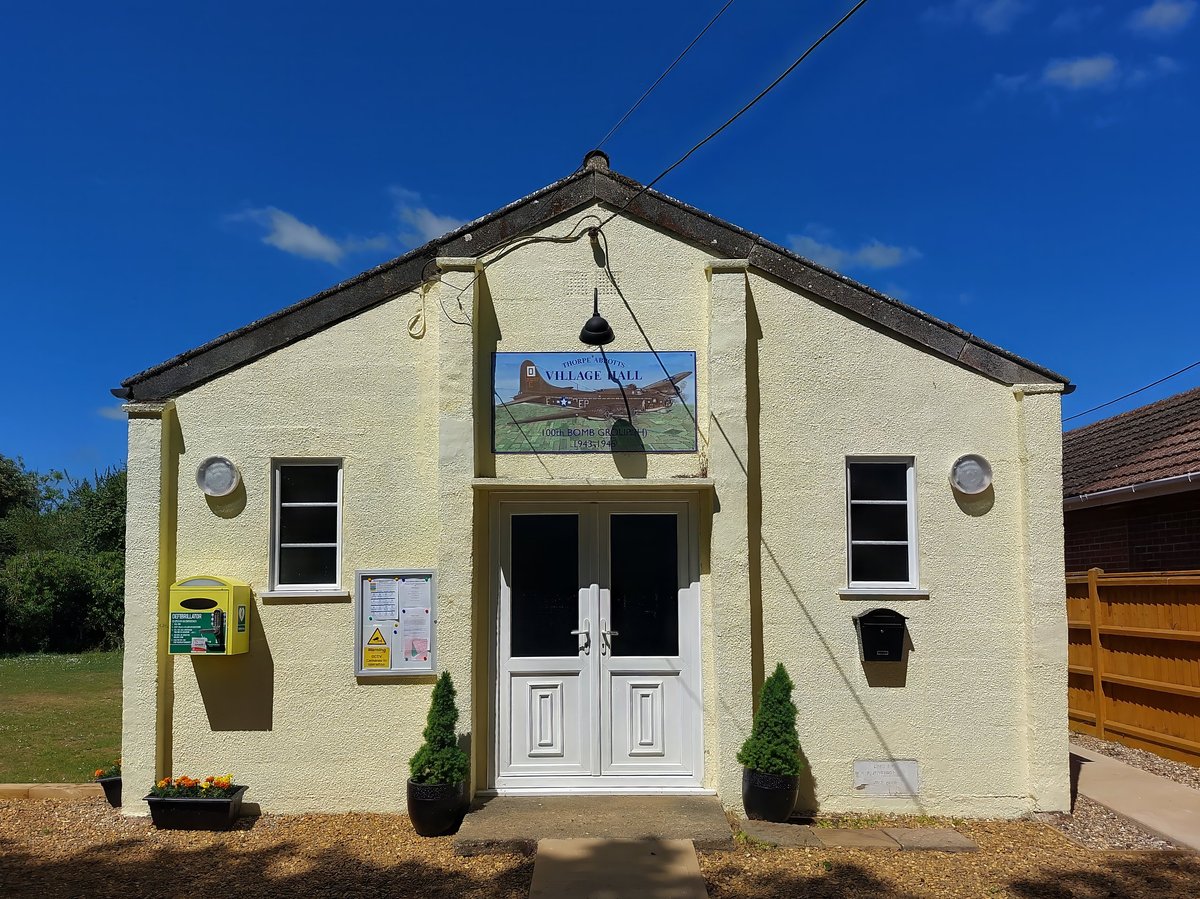
Community Centre Lease Specialists
Protecting community assets since 2005
Why Community Centre Leases Are Different
Many community centres occupy premises owned by the local authority, a parish council, or another public body. These landlords often use their own standard form leases that contain clauses designed for commercial office or retail tenants rather than community use. A commercial lease solicitor for community centres understands that local authority lease terms on permitted use, alterations, and alienation may need significant renegotiation to accommodate the flexible, multi-purpose nature of community centre activities. Where the council grants a long lease at a peppercorn rent under a community asset transfer, the solicitor must ensure the lease reflects the council's statutory powers under the Local Government Act 1972 and the General Disposal Consent.
Community asset transfer leases
A community centre may host fitness classes, children's activities, food banks, public meetings, social events, licensed bars for private functions, film screenings, and live performances. Each of these activities may trigger different regulatory requirements including premises licences under the Licensing Act 2003, temporary event notices, food hygiene registration, and DBS checks for regulated activity. A specialist commercial lease solicitor for community centres will cross-reference the permitted use clause against your actual and planned activities to ensure you are not signing a lease that prohibits half of what your centre does. They will also review the repairing obligations to ensure DDA accessibility adaptations are addressed from the start.
DDA compliance and licensing alignment
A community centre thrives on casual use. Local groups hire rooms by the hour for yoga classes, toddler groups, councillor surgeries, birthday parties, and community meetings. A standard commercial lease prohibits sharing occupation without landlord consent, which would make every casual booking a technical breach. A solicitor experienced in community centre leases negotiates a shared use clause that permits hiring out rooms to community groups, private individuals, and partner organisations as part of the centre's normal operations without triggering a requirement for landlord consent. This is especially critical where the centre's business model depends on hire income to cover running costs.
Room hire and casual use permitted
Who We Help
Village halls operating as charitable trusts or under parish council management, from rural village halls to suburban community halls serving local neighbourhoods.
Multi-purpose neighbourhood centres delivering services including advice surgeries, food banks, youth clubs, elderly lunch clubs, and local support groups under one roof.
Church halls, mosque community wings, gurdwara langar halls, synagogue community suites, and multi-faith spaces that are open for wider community use beyond worship.
Community amateur sports clubs, social clubs, working men's clubs, Royal British Legion clubs, and other membership-based community venues with bar and social facilities.
Dedicated youth facilities, after-school clubs, scout and guide huts, and children's activity centres with safeguarding requirements that affect lease provisions on access and supervision.
Community-based health hubs, mental health drop-in centres, dementia cafes, and wellbeing spaces that may require specific adaptations and CQC registration considerations within the lease.
Charities and voluntary organisations operating community drop-in spaces, charity shops with community rooms, and advice centres serving local residents from leased premises.
Other sectors we support with specialist commercial lease advice:
Key Lease Clauses
The permitted use clause in a community centre lease must capture the full breadth of your activities, not restrict you to a single narrow purpose. A well drafted clause will cover public meetings, educational classes, recreational activities, social events, fitness sessions, children's groups, fundraising events, private hire for celebrations, and ancillary catering and bar services. A solicitor who understands how community centres actually operate will draft the clause broadly enough to accommodate new activities without requiring a fresh landlord consent each time your programme evolves. Vague wording like "community use" may be insufficient if your landlord later argues that a particular activity falls outside the permitted scope.
Community centres that are registered charities qualify for mandatory 80 percent business rates relief under section 43 of the Local Government Finance Act 1988. Where the local authority is also the landlord, many community centres benefit from a peppercorn rent or a significantly below-market rent under a community asset transfer arrangement. Your solicitor must ensure the lease clearly states the rent basis, that any service charge is capped and reconciled annually, and that the rates apportionment mechanism in the lease matches the relief your organisation actually receives. For community amateur sports clubs registered with HMRC, mandatory 80 percent rates relief also applies, and the lease should not inadvertently charge rates that the club does not pay.
Community centres are often managed by volunteers who do not have the resources to manage full repairing obligations. A schedule of condition attached to the lease limits your repair liability to maintaining the premises in no worse state than at the start of the lease. Insurance is another critical area: community centres hosting public events need public liability insurance, and the lease should reflect that the centre, not the landlord, arranges this cover. Health and safety compliance, including fire risk assessments, electrical safety certificates, gas safety checks, and asbestos management plans, should be mapped against the repairing covenant so responsibility is clearly allocated between landlord and tenant.
Community centres rely on room hire income from third party groups and individuals. A standard commercial lease alienation clause prohibiting sharing occupation or subletting threatens the entire operating model. An experienced commercial lease solicitor will negotiate a permitted alienation framework that allows you to hire out rooms to community groups, private individuals, and partner organisations as part of your normal operations. The solicitor should also address what happens when the management committee changes: many community centres are run by unincorporated associations where the lease is held by named individuals who may change over time. A well drafted lease will permit assignment to a successor management body without unreasonable conditions.
Our Approach
We review your legal structure, whether unincorporated association, charitable incorporated organisation, community interest company, or charitable trust, and your governing document. We confirm who has authority to sign the lease, whether trustee or committee member personal liability needs limiting, and whether Charity Commission consent is required for the transaction.
We map every activity your centre runs against the proposed permitted use clause and identify the licences and permissions you need. This includes premises licences under the Licensing Act 2003, temporary event notices, food business registration, and any planning conditions or restrictive covenants that affect your use.
We negotiate heads of terms and the lease itself, whether with a local authority, a parish council, a private landlord, or a charitable trust. We push for community centre specific concessions on rent, repair, alienation, shared use, DDA accessibility, and committee succession that generic commercial property solicitors might overlook.
We handle completion, any SDLT matters including charitable reliefs, and Land Registry registration. Beyond completion, we support your centre with lease management, rent reviews, break clause advice, licence applications, and lease renewals under the Landlord and Tenant Act 1954. We also provide lease negotiation support for tenant organisations whenever you need to renegotiate terms.
Before You Commit
Community centres are multi-purpose by nature. If your centre hosts fitness classes, wedding receptions, toddler groups, councillor surgeries, blood donation sessions, and a weekly community cafe, all of these activities need to fall within the permitted use. A solicitor who specialises in community centre leases will map your current activities and your five year development plan against the clause and push for wording broad enough to allow the centre to evolve as community needs change.
If your community centre is an unincorporated association, the individuals who sign the lease may become personally liable for rent, repair obligations, and other covenants. Your solicitor should review your structure and, where appropriate, recommend incorporation or ensure the lease limits personal liability. For charitable incorporated organisations and community interest companies, the entity is the tenant and committee members are generally protected, provided they act within their powers. Read our guidance for commercial lease solicitors for charities if your centre is a registered charity.
Room hire is often the primary income stream that keeps a community centre financially sustainable. If the lease prohibits sharing occupation or subletting, every yoga class, birthday party, and councillor surgery you host could be a breach. A solicitor experienced in community sector leases will negotiate a specific shared use clause that permits hiring rooms to third parties as part of your normal operations without requiring landlord consent for each booking.
A premises licence under the Licensing Act 2003 may be needed for the sale of alcohol, regulated entertainment, and late night refreshment. Temporary event notices can cover occasional events but are limited in number per year. Your lease should not contain a blanket prohibition on licensable activities if your centre relies on bar income or hosts live performances. Similarly, if your centre runs a community cafe, food business registration and compliance with food hygiene regulations will apply, and the lease should allocate responsibility for kitchen equipment maintenance between landlord and tenant.
Community centres managed by unincorporated associations face a recurring problem: the lease is held in the names of the current committee members, and when those individuals step down, the lease needs to be formally assigned to the new committee. A well drafted lease will include a streamlined assignment mechanism or, better still, allow the lease to be held by a corporate trustee or incorporated entity on behalf of the community. For centres considering restructuring, our lease assignment and transfer solicitors can guide you through the options.
Community centres registered as charities or as community amateur sports clubs qualify for mandatory 80 percent business rates relief. Many local authorities also offer discretionary relief for the remaining 20 percent. Additionally, some community centres occupying local authority premises may qualify for a peppercorn rent under a community asset transfer. Your commercial lease solicitor should verify your eligibility for all available reliefs before the lease is finalised. For expert guidance on service charges and associated costs, speak to our rent and service charge solicitors.
Frequently Asked Questions
Get in Touch
Call us on 01582 415836 or complete the form below and a solicitor who understands the community sector will contact you within one working day.
Call Us
01582 415836Email Us
info@commercialleasespecialists.co.uk
We Support Communities
We offer initial telephone consultations free of charge to community groups, village hall committees, and not-for-profit community organisations across England and Wales.